
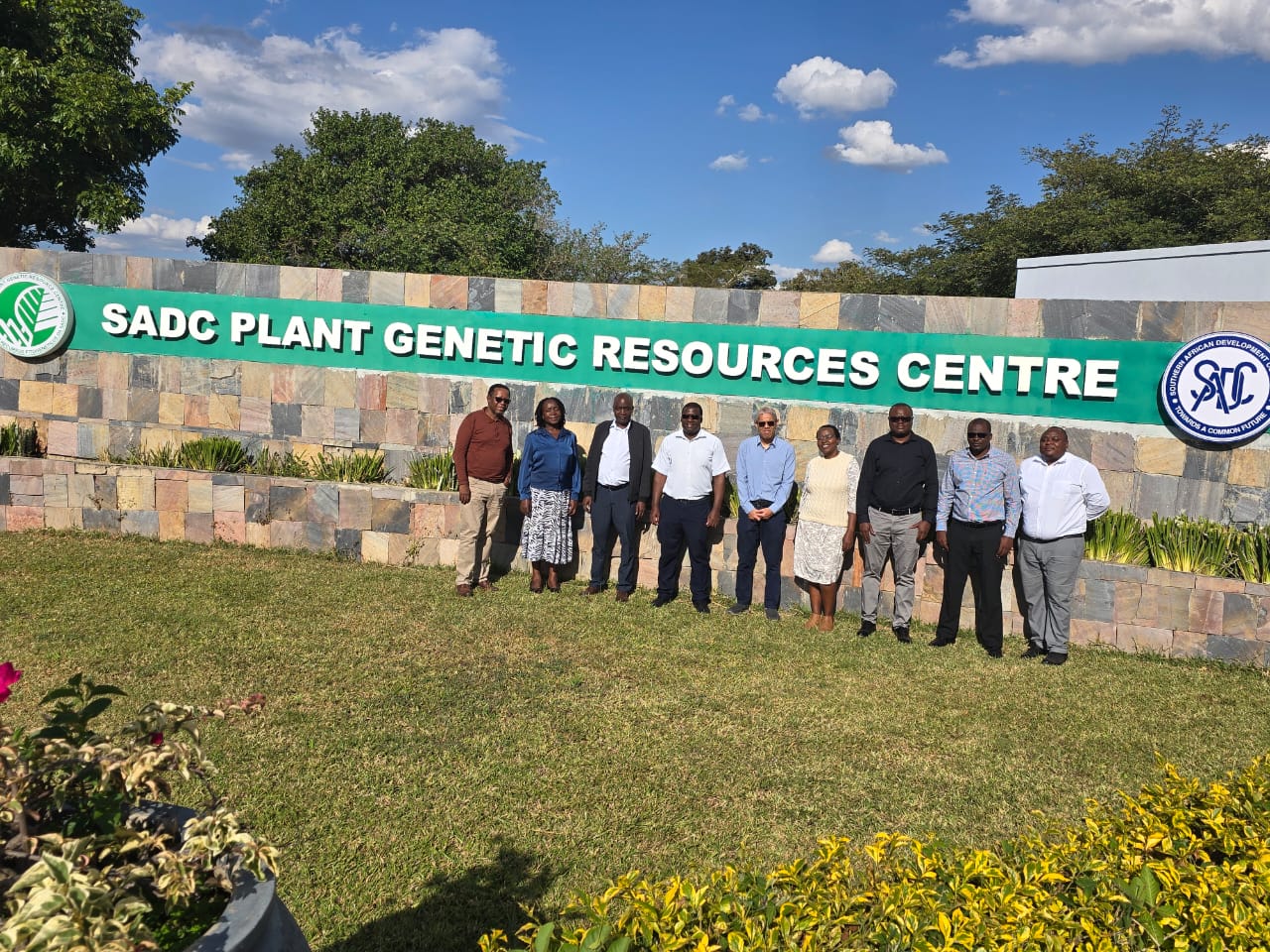
The Southern African Development Community (SADC) Plant Genetic Resource Centre (SPGRC) in Lusaka, Zambia, successfully underwent a three‑day training on planning and budgeting from 4 to 6 May 2026. The training, which was delivered by the Policy, Planning and Resource Mobilisation (PPRM) Directorate at the SADC Secretariat, equipped SPGRC staff with skills to apply Results‑Based Management (RBM) in developing Annual Operational Plans and budgets.
The training focused on aligning the Centre’s mandate with SADC’s Vision 2050 and the SADC Regional Indicative Strategic Plan (RISDP) 2020–2030, ensuring that planning and budgeting processes are driven by measurable results.
The training offered an opportunity for SPGRC Staff to practise the result chain that links SPGRC’s genetic resources conservation and utilisation work directly to regional outcomes in food security, climate resilience, and sustainable development.
The training enabled SPGRC staff to:
critique the Annual Operational Plan and Budget using RBM principles, ensuring that it fully aligns with the Centre’s strategic objectives;
develop and upload an Annual Operational Plan into the SADC Integrated Management System (SIMS) for monitoring and reporting;
prepare a narrative for inclusion in the Annual Corporate Plan, clearly articulating deliverables aligned with regional integration objectives; and
plan and budget in a manner that demonstrates impact, accountability, and alignment with SADC priorities.
This RBM‑driven approach ensures that SPGRC’s conservation efforts are not only well‑planned but also linked to tangible and evidence-based results for the citizens of the SADC region.
Head of SPGRC, Dr Justify Shava, welcomed the training as a timely and targeted intervention, noting that it positions the Centre to mobilise resources more effectively.
The SPGRC was established in 1988 as a regional hub for plant genetic resources conservation. It plays a critical role in safeguarding crop diversity against threats such as climate change that can lead to genetic erosion and crop diversity loss. Its mandate is to mobilise, conserve, and make available plant genetic resources using appropriate technologies and standards, directly contributing to food security and sustainable development for SADC citizens.
SPGRC is a Key Result Area under the SADC Food, Agriculture and Natural Resources (FANR) Directorate, coordinating a network of National Plant Genetic Resources Centres (NPGRCs) in the 16 SADC Member States.


